
Theory of Operant Conditioning
Operant conditioning theory of learning was formulated by B.F. Skinner. Who was an American Psychologist. His theory came based on the lapses discovered in the classical conditioning theory.
At Education Companion, any Education material, be-it a Primary subject, Course lecture, Paid Course or Free course, all belong to this category. Also, the revision materials, belong to the academic materials category.
Furthermore, all the catch-up materials and crash courses belong to this category
Operant conditioning theory of learning was formulated by B.F. Skinner. Who was an American Psychologist. His theory came based on the lapses discovered in the classical conditioning theory.

Classical conditioning theory explains how an organism’s behaviour becomes paired with some stimuli/factors in the environment.
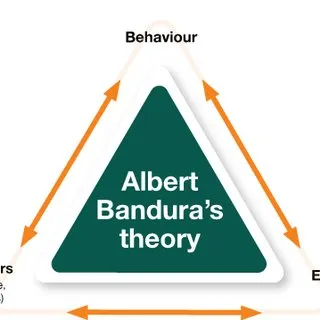
Social learning theory explains human behaviour from the point of continuous reciprocal interaction between cognitive, behavioural and environmental influences.
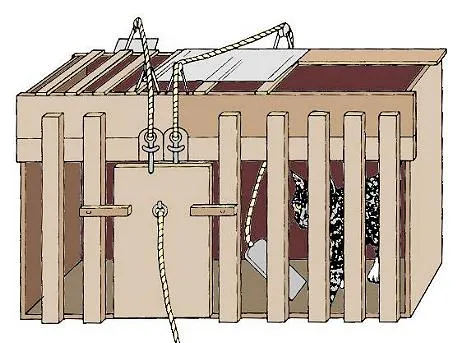
In this article, you will read the major three laws propounded by Thorndike on his theory of connectionism. He reveals that the foundation of learning is the association between sense impressions and impulses to action.

Food security information is mostly generated from primary sources through field surveys. Surveys are carried using scientific objective

The food balance sheet is a mathematical spread sheet presentation of aggregate food requirements netted against available food stocks with the resultant …

Vulnerability assessment is very important in profiling households. It allows us to separate households between those that are secure and those that are food insecure.

Addressing food insecurity requires the designing and implementation of interventions which are appropriate to particular causes of food insecurity.

John B. Watson and Jean-Jacques Rousseau are typically cited as providing the foundations for the modern development of child psychology.

Organisational change is a radical transformation in the functioning of organisational processes. It involves reshaping the organisation’s structure, culture, processes and other design elements, and can be characterized
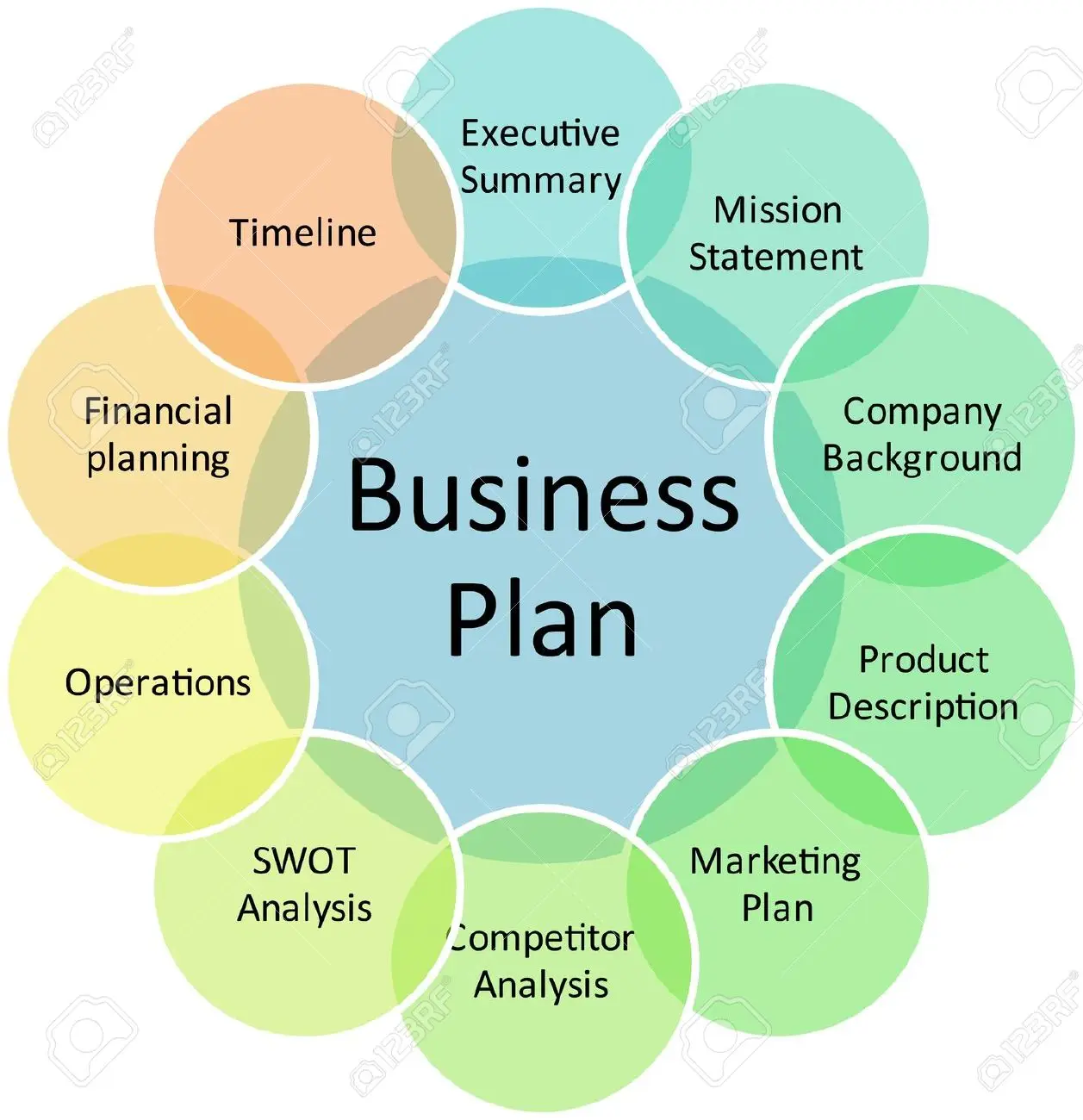
There are at least three major reasons why an organisation establishes objectives and why these objectives are important in strategic management.
The exchange relations and the network were described by Frank as a pyramidal structure with metropoles and satellites.
Metropoles and Satellites in International Relations Read More »