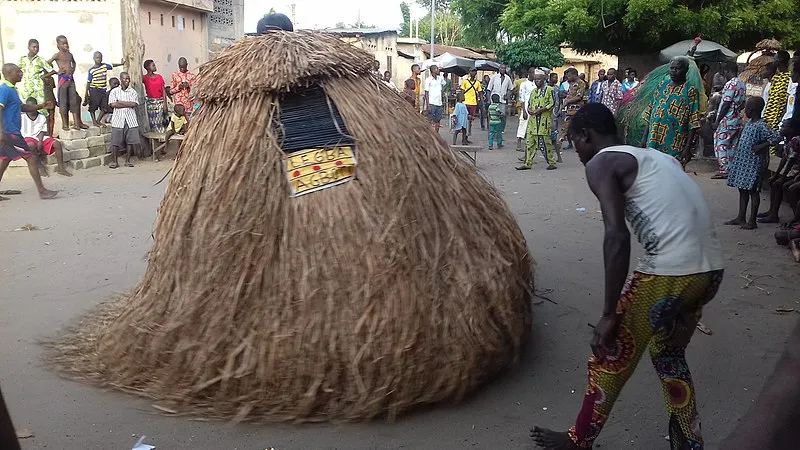
African Traditional Religion – 5 Facts
This article introduces you to what African Traditional Religion is all about, its beliefs, rituals and practices. Religion is found in every human society.
This article introduces you to what African Traditional Religion is all about, its beliefs, rituals and practices. Religion is found in every human society.
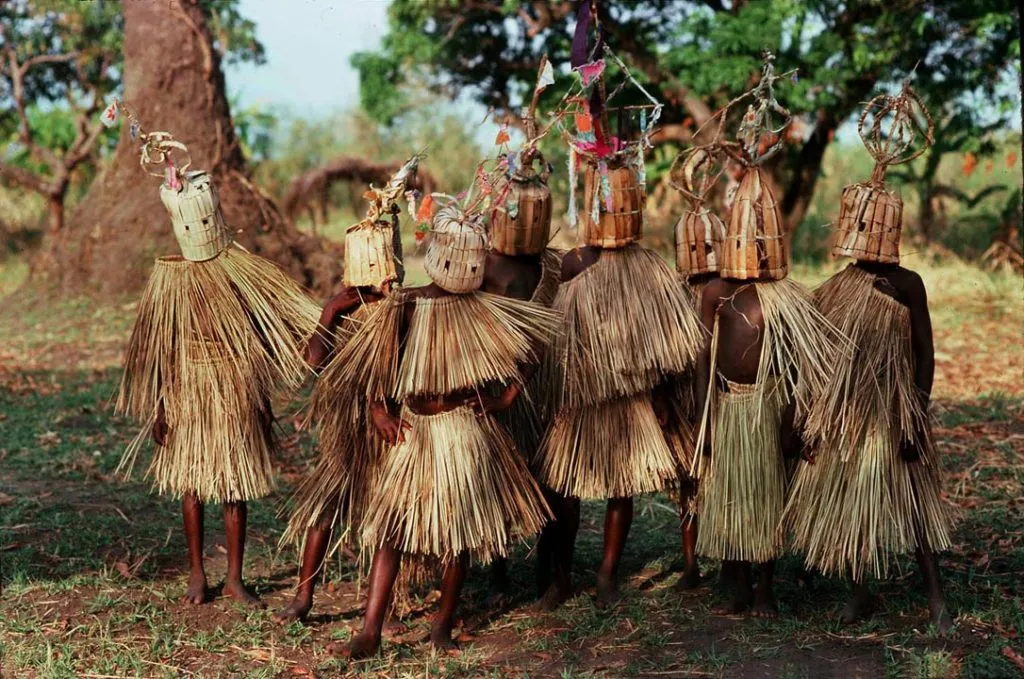
There are many stages that a man has to pass in life. The rituals associated with each one of them are called rites of passage. These are periods when people are metaphysically and sociologically made new beings with new social roles
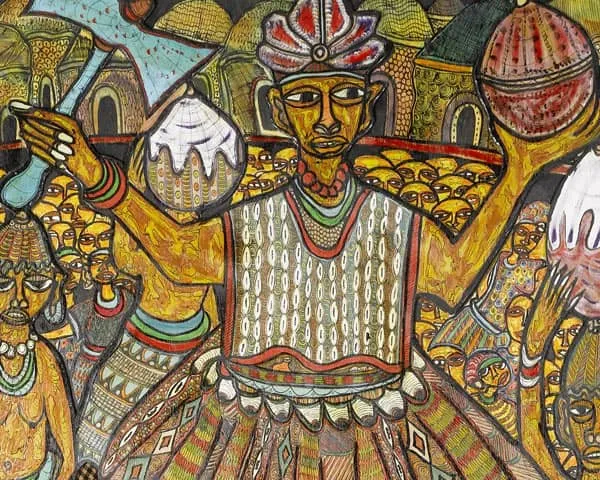
Divinities are gods who emanated from Supreme Deity. They have attributes of the Supreme Being and are in essence His offspring.
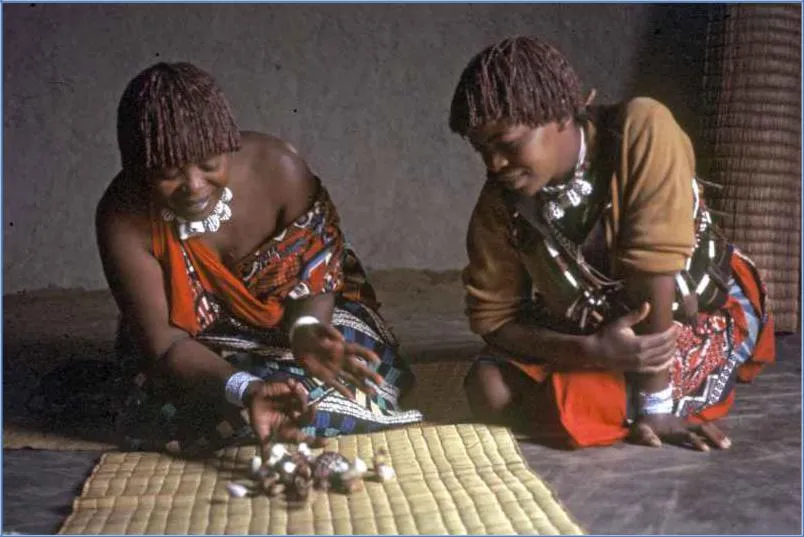
Arising from the corporate nature of Zambian communities that were held together by a web of kinship relationships and other social structures, almost every form of evil that a person suffered was believed to be caused by members of his/her community.
Causes and effects of evil in African Traditional Belief Read More »
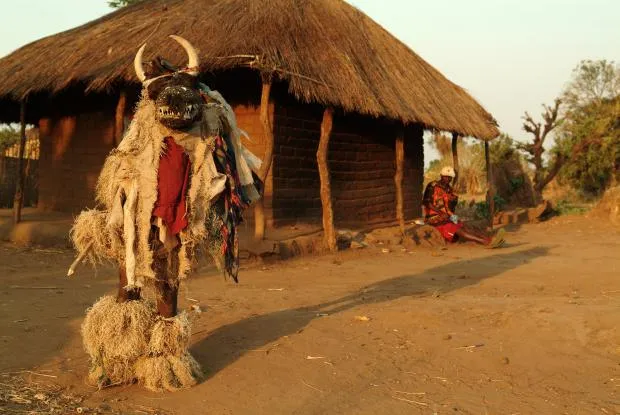
To most Africans, witchcraft is an ugly reality. Witches are believed to be people with inherent power. Although some witches acquired these powers to protect their areas, it is mostly believed that the powers are evil, anti-social are not primarily used to harm people.
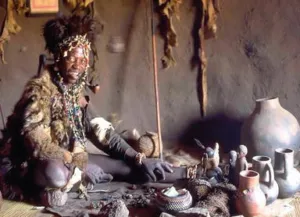
Definition Magic is a ritual activity which influences human or natural events through access to an external mystical force. Thus, magic influence
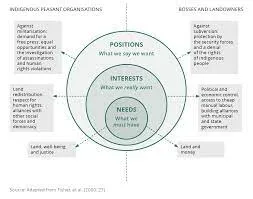
Conflicts can be defined as a form of disagreement or antagonism between two or more parts, which may be individuals, societies, communities or nations.
Global Conflict Trends and the Nature of Conflicts Read More »
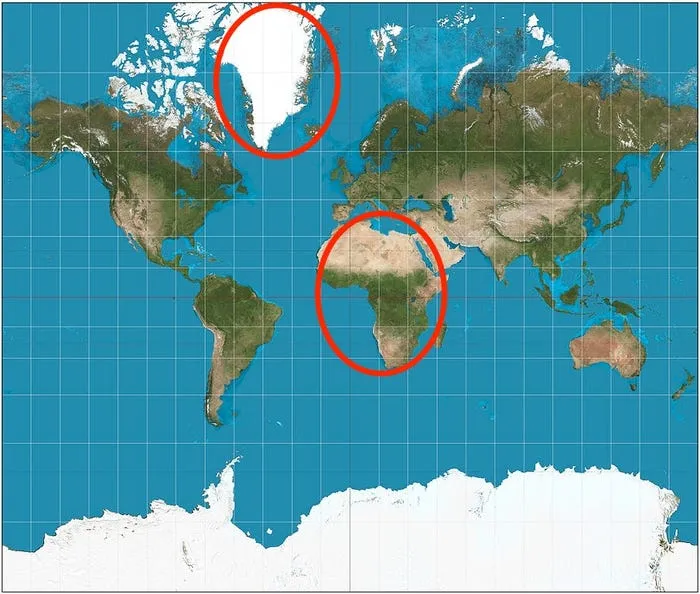
This article will provide you with a somewhat generalised overview of how the conflict in Africa is seen by those outside with focus on the Western perspective
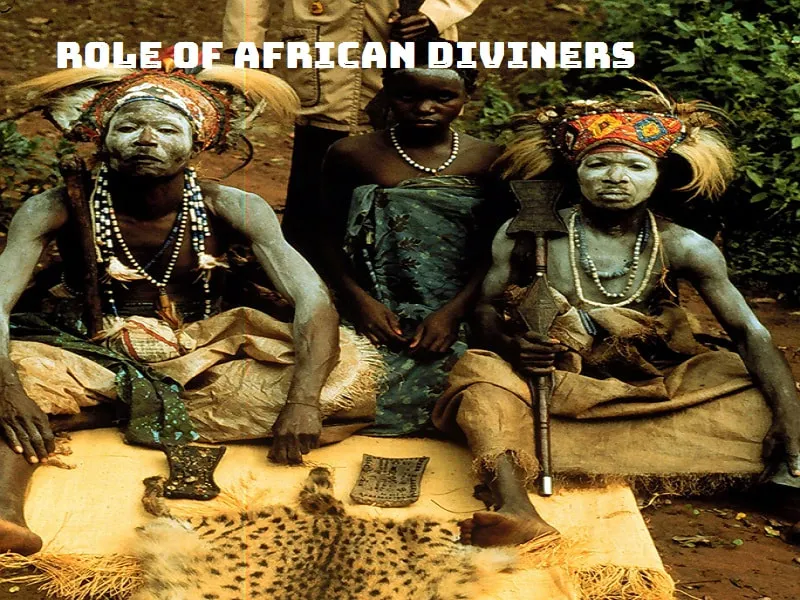
The priest is the mediator between man and the gods (God). These are ministers in the temples, shrines, sacred groves and other religious centres.
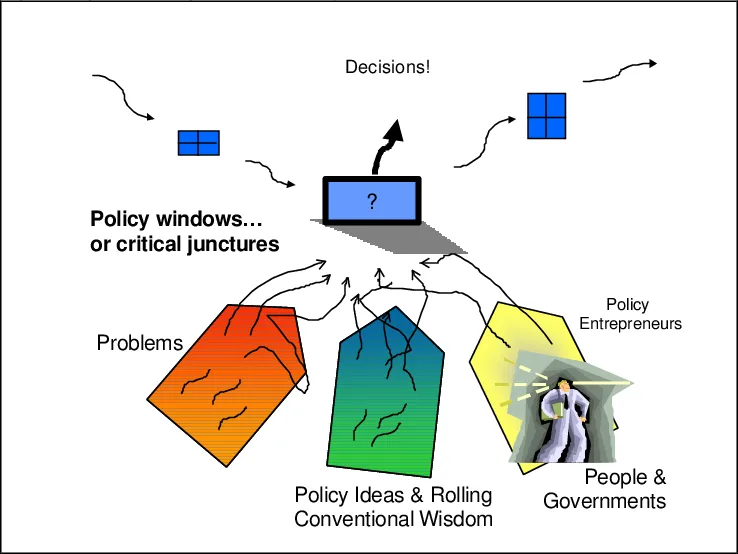
Agenda-setting refers to the process by which certain influential groups in society decide which issues are important to them and that they feel need to be dealt with.
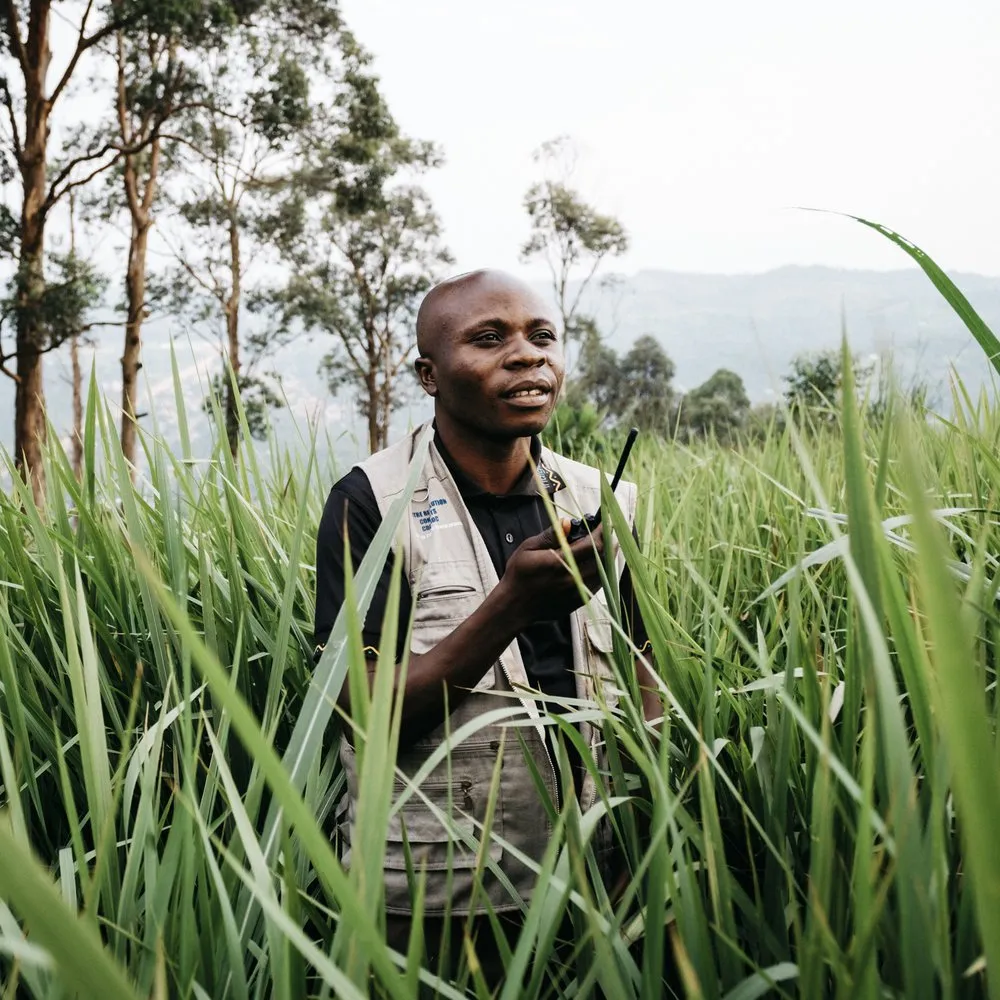
regardless of what these actors consider as important, the question remains, what measures against conflicts can different actors actually take in foreign nations, and often quite distant conflict zones?
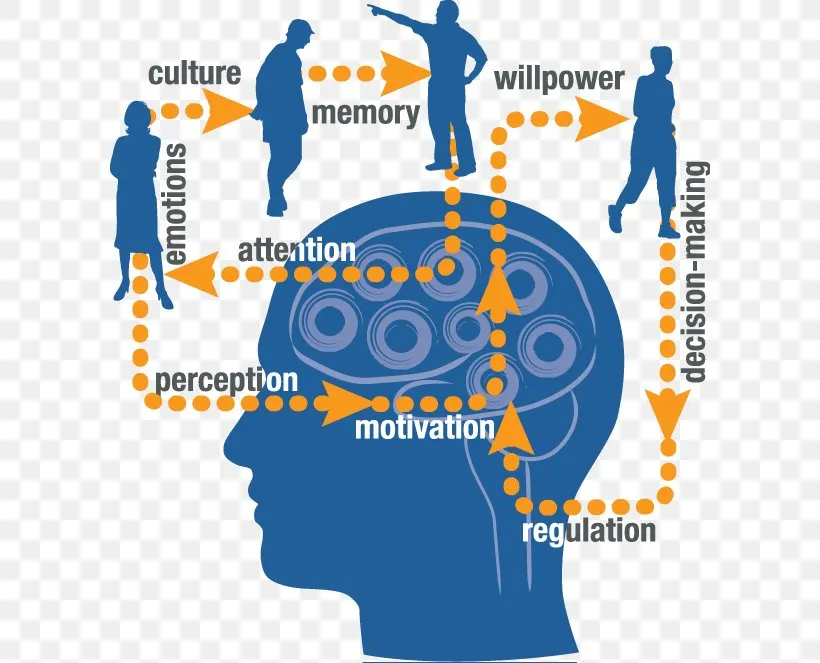
We have seen in the previous topic trends suggesting that policymakers outside the continent attach a low priority to conflicts