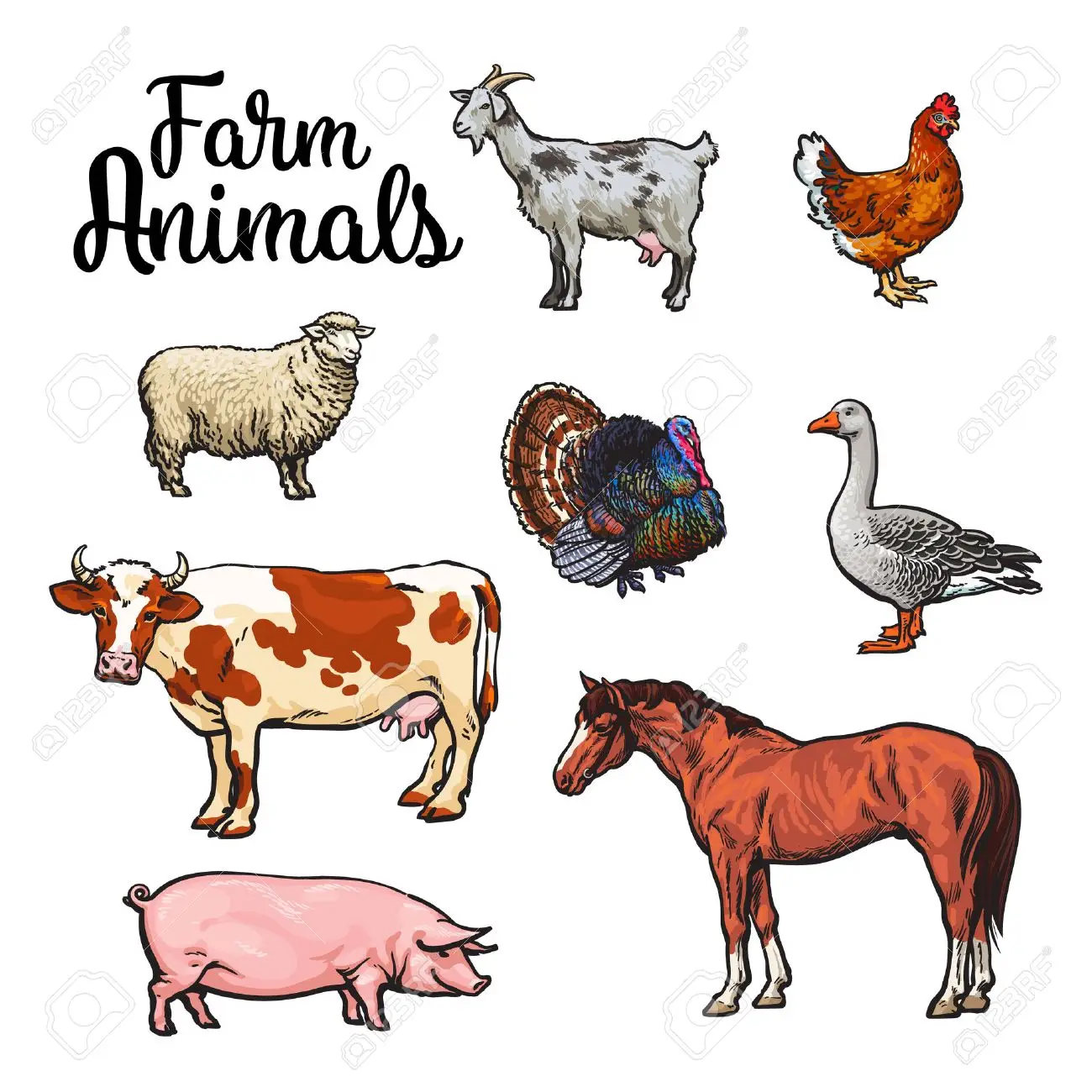
Type of livestock kept by farmers in Zambia
Livestock is commonly defined as domesticated animals raised in an agricultural setting to produce labor and commodities such as meat, eggs, milk, fur

Livestock is commonly defined as domesticated animals raised in an agricultural setting to produce labor and commodities such as meat, eggs, milk, fur
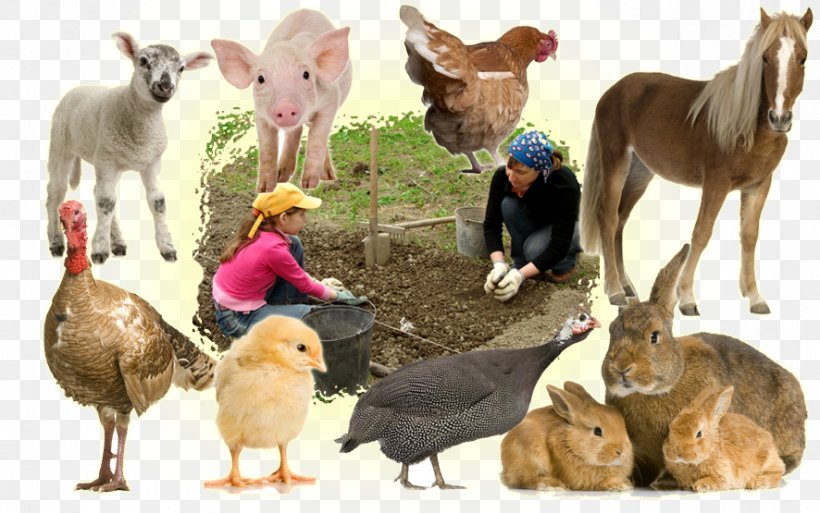
Animal husbandry can be referred to as the act of selective raising the livestock for health and economical purposes.
Wildlife conservation refers to the well-planned practice of ensuring protection for wild animal species, their habitats, and plants.
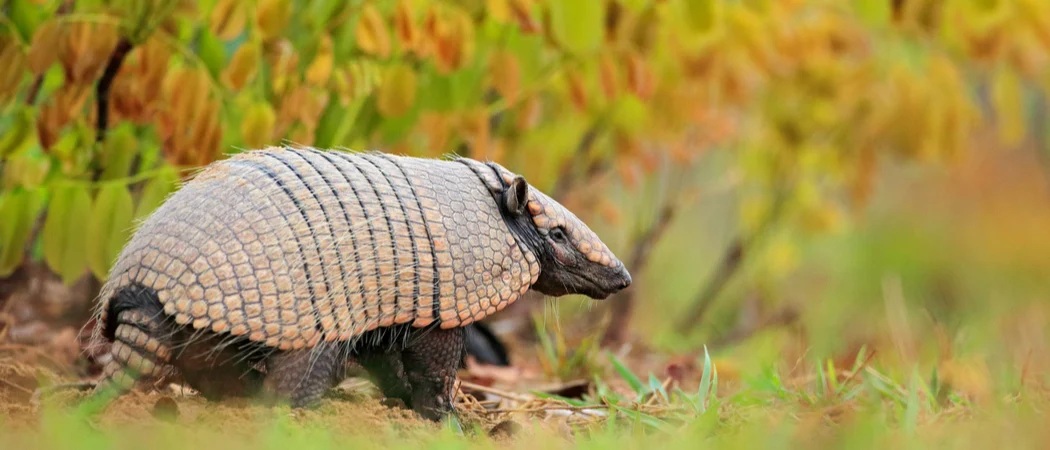
Animals use their self protection instinct to save themselves from danger. To do this, they adopt their innate mechanisms of self-protection from their enemies.
Animals’ self protection tricks from their enemies Read More »
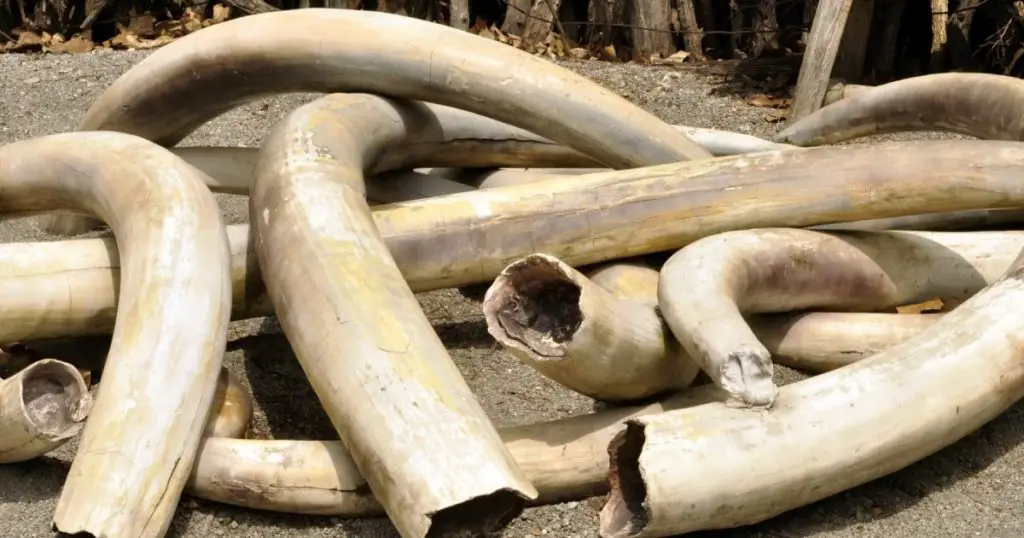
Living organisms face a constant barrage of external stresses or threats to the wildlife that challenge their ability to survive and reproduce
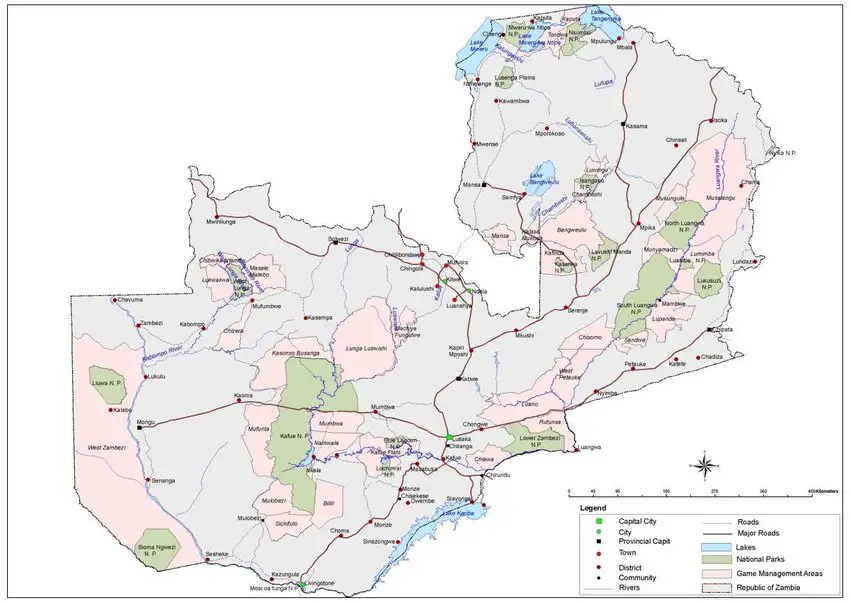
Game management is a term that refers to the management of wildlife in the hunting context.
Artificial vegetative propagation is a type of plant reproduction that is accomplished through artificial means involving human intervention.
Vegetative Propagation is a method of plant production which relies on the use of vegetative structures such as stems, leaves or roots to perpetuate the parent plants.
Through crop production you will learn the principles and practices of cultivating and managing crops for human and animal consumption or industrial uses.
Leaves are specialised to capture light for photosynthesis. Mainly, it is observed that the environment determines the type of leaf
There are basically two types of stems – herbaceous stems and woody stems. Herbaceous plants have soft, green, juicy stems that are
Photosynthesis is a process of capturing and transforming the energy of sunlight into chemical energy.